

Music mixing software is the program that takes your recorded tracks and blends them into one polished, balanced song.
It replaces the giant analog mixing desk with software-based channels, faders, and effects you control entirely from a screen.
Whether you’re finishing a bedroom demo or a full album, the right mixing software shapes how professional your final mix actually sounds.
This guide covers why it matters, what to look for, and the top tools producers trust to get a mix release-ready.
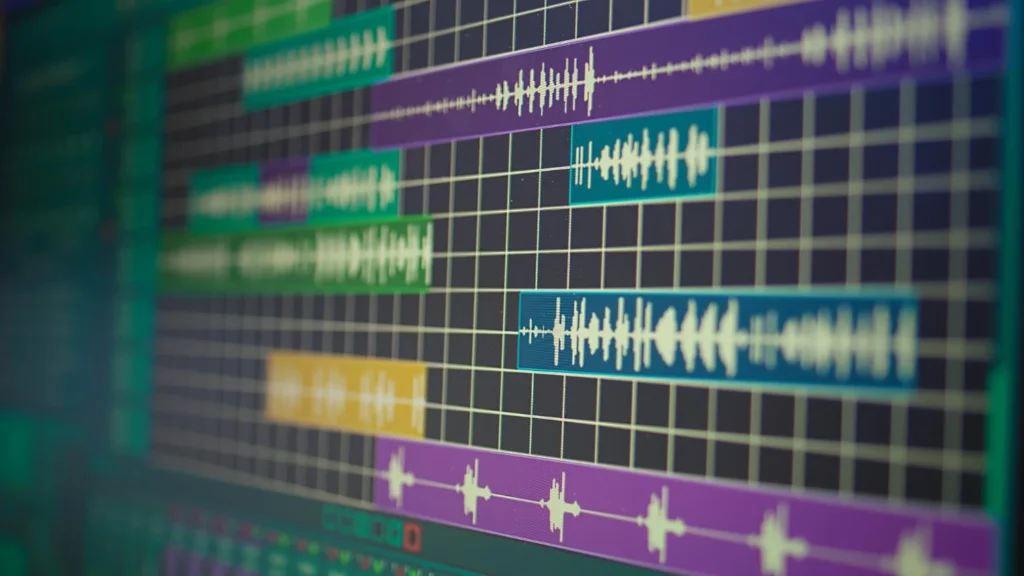

Why Music Mixing Software Matters for Every Producer
A raw recording rarely sounds finished on its own, no matter how good the performance was.
Mixing software gives every track room to breathe by adjusting volume, panning, and frequency balance until nothing fights for space.
It also adds depth and character through built-in effects like reverb, compression, and saturation, the same tools used on professional records.
Without it, even a great song can sound flat, cluttered, or unfinished next to anything on the radio.
What to Look For in Mixing Software

Not all mixing software handles the job the same way, so the right features matter more than the flashiest interface.
Look for solid plugin support, since VST and AU compatibility lets you add third-party EQs, compressors, and creative effects beyond what’s built in.
Flexible automation and routing matter just as much, letting you ride volume changes and send multiple tracks through shared effects busses.
Top Music Mixing Software Options
Pro Tools
Pro Tools remains the industry standard in professional studios, built around a rock-solid audio engine and deep integration with outboard hardware.
Logic Pro
Logic Pro pairs a clean, intuitive mixer with a huge stock plugin library, making it a strong all-in-one choice for Mac users.
Ableton Live
Ableton Live’s mixer is built for fast, loop-based workflows, which makes it a favorite for electronic producers who mix while they write.
Cubase
Cubase offers some of the deepest MIDI and automation tools on the market, appealing to composers and detail-oriented mix engineers alike.
Studio One
Studio One is known for its drag-and-drop simplicity, making advanced mixing techniques like bus routing and macro automation easier to learn.
Reaper
Reaper costs a fraction of its competitors yet offers a fully customizable environment that rivals software many times its price, making it as versatile a music mixing software option as any on this list.